Rebuild LA.
Rebuild Safer.
Los Angeles is rebuilding after the devastating 2025 wildfires. FireShield brings an in-house wildfire compliance team and 40+ years of combined experience to help homeowners rebuild safer and stay insurable.
An Experienced Wildfire Compliance Team in Los Angeles
We are engineers and builders, not just an irrigation company. Our team has extensive building and construction experience, so we understand the real challenges of a rebuild and know how the City of Los Angeles approval process works. We design and manufacture all FireShield equipment ourselves and install it with our own team or your licensed contractor.
1,300+ Approvals
More than 1,300 approvals since 2010 across many kinds of engineering projects.
In-House Design
Every inspection and design is done by our own team. Installation is by our crews or your licensed contractor.
Proprietary Technology
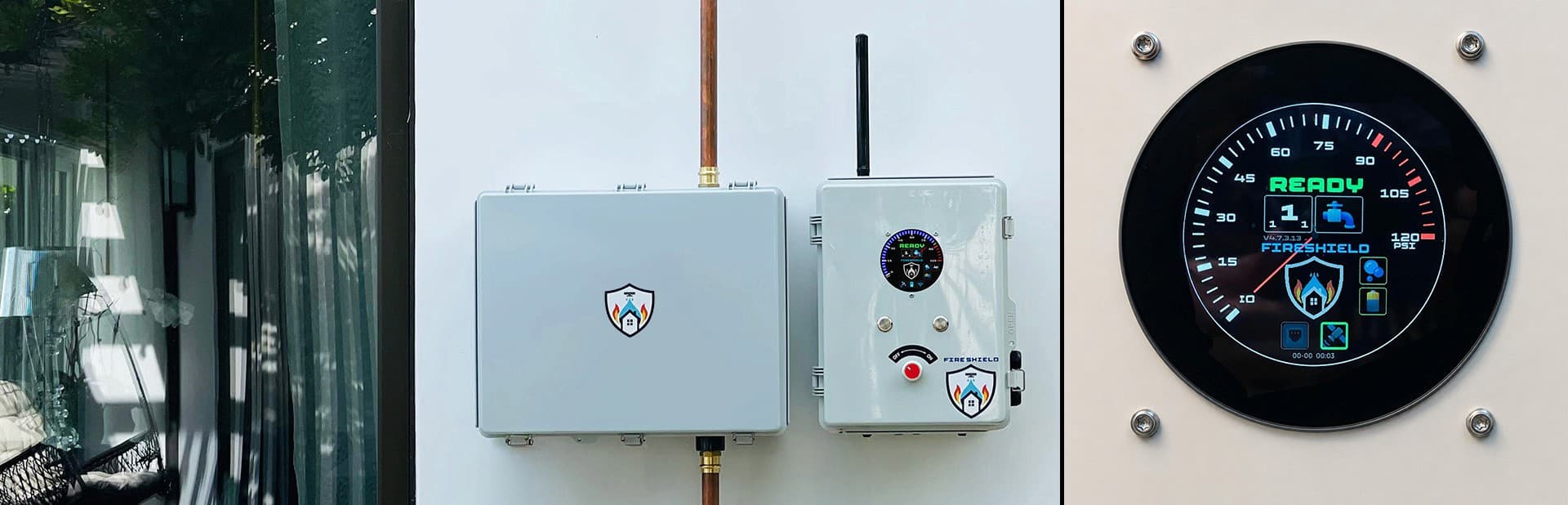
FireShield designs its own wildfire defense equipment that protects homes in high-risk areas automatically.
40+ Years Combined Experience
Decades of combined engineering, building and construction experience in Los Angeles — not just irrigation.
How We Help You Rebuild
- Wildfire exposure assessments tailored to your rebuild site
- Zone 0 documentation for your rebuild
- Mitigation reports you can give your insurer
- Hardening advice to help your rebuilt home meet current standards
- Complete permit package preparation and city liaison
Los Angeles Is Rebuilding — and It Is Hard
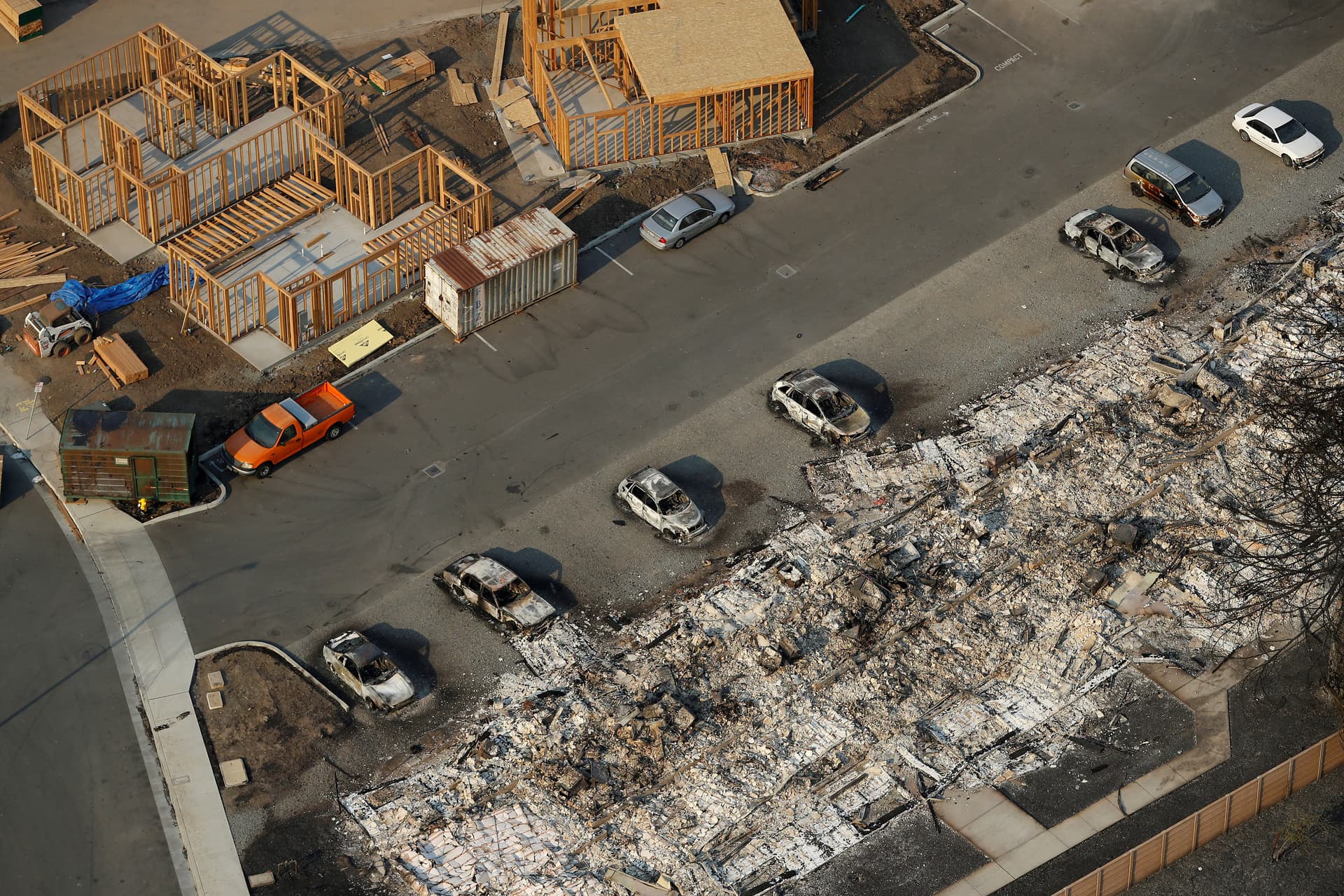
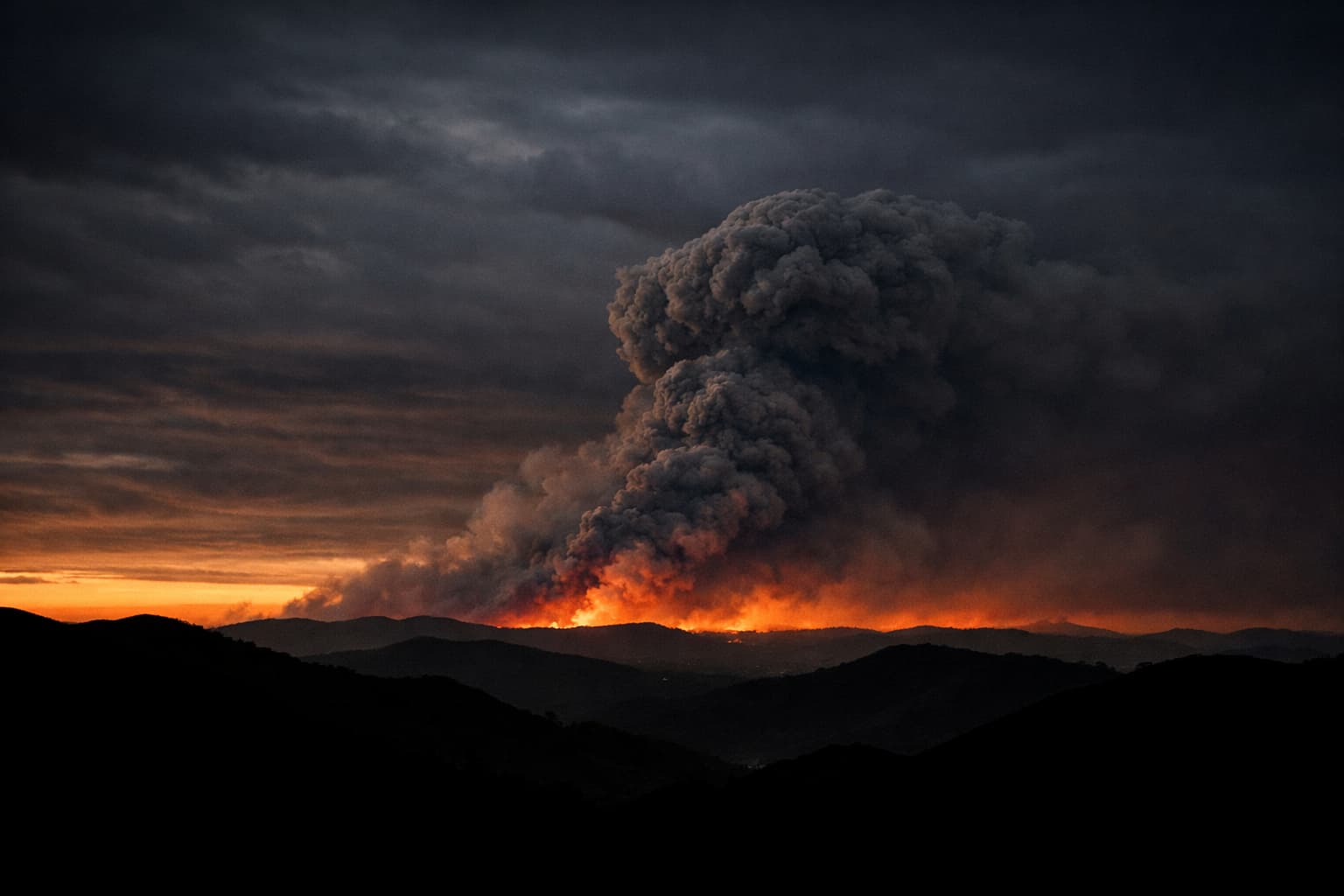
The January 2025 Palisades and Eaton fires devastated Los Angeles communities, destroying over 16,000 structures. As the city rebuilds, homeowners have to deal with permits, building rules, insurance and wildfire hardening all at once.
Rebuilding in a designated wildfire hazard severity zone means navigating new code requirements, Zone 0 compliance, Chapter 7A material standards, and increasingly rigorous insurance underwriting. You will need expert help.
Wildfire Protection That Pays Off
Proper wildfire hardening isn't just about safety — it's a smart financial decision that can help protect your investment, your insurance options and your property value.
Insurance Documentation
California's Safer from Wildfires framework recognizes documented wildfire mitigation. Premiums are set by your insurer; FireShield provides the installation and readiness records you can share with them.
- Records to share with your insurer or broker
- Support for traditional carrier applications
- Mitigation documented for underwriting review
Property Value Protection
Wildfire compliance documentation and hardening improvements can help protect your home's market value. More buyers and lenders are asking about wildfire resilience.
- Compliance records that can help at resale
- Documentation lenders may ask for in fire zones
- Easier to sell in LA
Avoid Costly Nonrenewal
A nonrenewal can push homeowners onto the FAIR Plan — California's insurer of last resort — often with higher premiums and more limited coverage.
- Proactive mitigation can help avoid nonrenewal
- Documentation to support leaving the FAIR Plan
- Keep more coverage options open
Your LA Rebuild Roadmap
Rebuilding after wildfire is complex. This is a general guideline for the rebuild process — for wildfire-specific compliance, hardening, and insurability, contact FireShield directly.
Debris Clearance & Site Assessment
Coordinate with LA County debris removal programs. Once cleared, check your lot's wildfire risk — the slope of the land, plants, how the wind blows through, and where embers could land.
Wildfire Exposure Evaluation
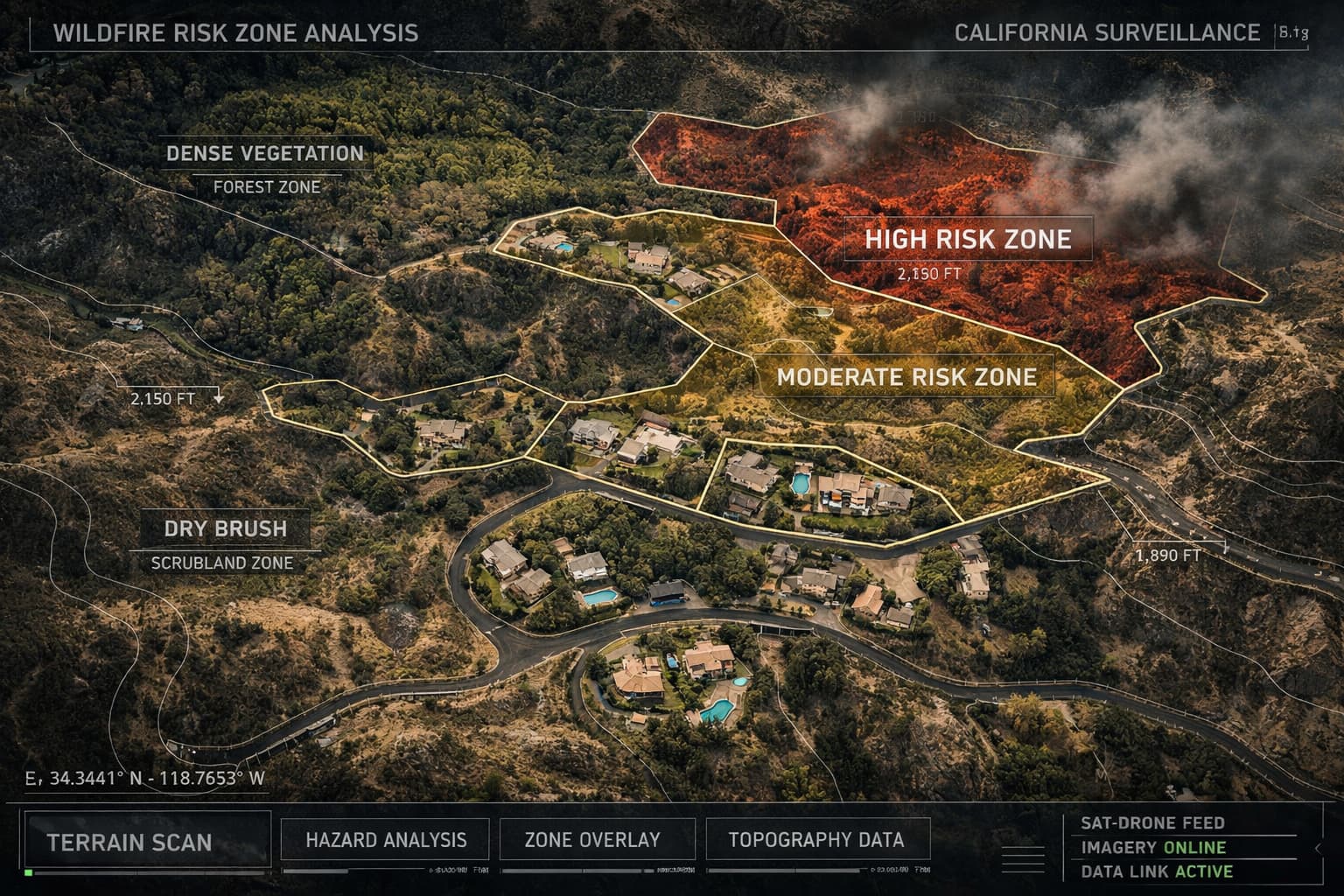
Understand your property's specific wildfire risk factors including how steep the lot is, which way it faces, how thick the plants are, and how close it is to open brush. Every later decision depends on this.
Wildfire Hardening Strategy
Develop a comprehensive wildfire mitigation plan addressing Zone 0 defensible space, Chapter 7A ember-resistant materials, WUI code standards, and active suppression systems.
Insurance & Insurability Documentation
Prepare insurer-facing mitigation reports demonstrating your rebuilt home's wildfire resilience. Documented hardening can help when you apply for traditional coverage.
Construction with Wildfire Resilience
Build with ember-resistant assemblies, non-combustible materials in Zone 0, proper vent screening, tempered glass, and defensible space landscaping from day one.
Ongoing Wildfire Compliance
Maintain defensible space, monitor vegetation regrowth, keep suppression systems operational, and update your records as the rules change. Wildfire protection is never finished.
Insurance Challenges During LA Rebuild
After the 2025 fires, home insurance in LA has changed a lot. Carriers are reassessing wildfire exposure, nonrenewal notices are increasing, and the path to traditional coverage requires documented mitigation.
Nonrenewal Risk
Carriers are pulling back from high-risk areas. Documented mitigation can help reduce your nonrenewal risk.
FAIR Plan Dependency
The California FAIR Plan is a last resort with higher premiums and limited coverage. Documented hardening can support your case with traditional carriers.
Safer from Wildfires Framework
California's framework connecting mitigation to insurability. Records showing you meet the rules may help you get better insurance terms.
LA Rebuild Resources & Government Links
Essential resources for Los Angeles homeowners navigating the rebuild process. These verified government and community links provide critical information.
Rebuilding? FireShield goes in during construction, hidden inside the walls and roof
Rebuilding in Los Angeles or anywhere else in the country, FireShield can be designed into the plans.
- Best installed during the build
- Pipes and wiring go inside the walls and roof before they are closed, coordinated with your architect and builder.
- Invisible when you move in
- Heads sit along ridgelines and under covered areas, so the finished house looks the way it was designed.
- Fully automated, zero touch
- It watches every fire around you and starts on its own, whether you are home or not.
- Room to grow
- Up to 36 zones per controller, far beyond the 6 to 8 of a typical system, and more controllers for an ADU or guest house.
- Made for your lot
- Hillside, canyon or flat: the zone layout is engineered for your property.
- Designed alongside your plans
- A dedicated FireShield engineer works from your drawings, and the details are made to match the home you are building.
Your Trusted Wildfire-Risk Advisor
FireShield explains confusing rules and helps you deal with insurance.
With 1,300+ engineering project approvals since 2010, 40+ years of combined experience, and our own in-house team, we help you rebuild the right way. From submission to city approval, we handle it all so you can focus on getting home.
A wildfire inspection of your home, paperwork you can give your insurer, and advice on hardening your home if it is in a high-risk area of California.